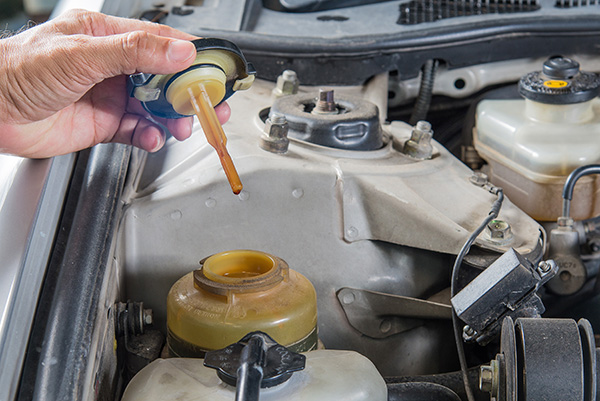
A power steering leak usually starts as a small nuisance. You might notice a faint whining sound when you turn, or the steering feels a little heavier in parking lots. Then one day you see a spot under the front end and realize the fluid has been dropping for a while.
The sooner you catch a power steering leak, the easier it is to manage. Letting it go can lead to pump damage, steering assist problems, and a mess that spreads fluid onto belts and suspension parts. The key is knowing what to look for and how to separate a true leak from normal grime.
What Power Steering Fluid Does And Why Leaks Matter
Power steering fluid is a hydraulic fluid. It helps the pump create pressure so the steering gear can assist your steering input. When the fluid level drops, the pump can pull in air, which creates noise and reduces assist. Low fluid can also increase heat inside the system, and heat is hard on seals and hoses.
Some vehicles use traditional power steering fluid, while others use specific hydraulic fluid types. Using the wrong fluid can cause seal problems, so identifying the correct type matters if you ever top it off.
The First Driving Clues Of A Power Steering Leak
A leak often shows up as changes in steering feel before you ever see a puddle.
You might notice a whining or groaning sound when turning the wheel, especially at low speeds. Steering can feel heavier when parking. The wheel might feel less consistent, especially when you turn quickly from lock to lock.
These symptoms are not exclusive to leaks, but when they appear together, checking the fluid level becomes a smart first step. If the reservoir is low, there is usually a reason.
Where Power Steering Leaks Start
Power steering systems have a few repeat leak points. Knowing these areas helps you locate the source instead of only seeing the drip.
- Reservoir And Cap Area: A cracked reservoir, loose cap, or damaged seal can allow seepage.
- High-Pressure Hose: This hose carries pressurized fluid and can seep at crimped connections or fittings.
- Return Hose: Lower pressure but still prone to softening, cracking, and leaking with age.
- Pump Seals: A leaking pump can leave fluid around the pulley area or the pump body.
- Steering Rack Or Gear Seals: Leaks here can run down the rack boots and drip near the inner tie rods.
If the leak is at the rack boots, it can look like a mystery at first because fluid stays inside the boot before it drips out.
How To Check The Fluid Level And Condition
Most power steering reservoirs have a dipstick on the cap or marked level lines. Check the level with the engine off unless your vehicle specifies a different method. If the level is below the minimum mark, it likely means fluid has been lost.
Condition matters too. Fresh fluid is usually clear or lightly tinted, depending on the type. Old fluid may look dark. If the fluid looks foamy, that can suggest air has entered the system. Foamy fluid often happens after the level drops and the pump starts pulling air.
If you add fluid and it drops again quickly, the leak is active and needs inspection.
How To Tell If The Spot On The Driveway Is Power Steering Fluid
Power steering fluid often looks red, pink, or light brown, depending on age and fluid type. It can also look similar to transmission fluid. The location of the spot helps. Power steering drips tend to show up near the front of the engine bay, sometimes toward the passenger side, depending on the vehicle layout.
The feel of it can help too. Power steering fluid is slippery and oily. It usually has a distinct fluid smell, not the burnt smell that old engine oil can develop.
If you are not sure, an inspection is worth it, because confusing fluids can lead to the wrong fix.
Common Mistakes That Make Leaks Worse
One common mistake is topping off repeatedly and never finding the source. That keeps the car driving, but it allows fluid to keep leaking, and it can damage the pump over time.
Another mistake is using stop-leak products. Some can swell seals temporarily, but they can also create contamination and cause other issues later. If the leak is from a hose, fitting, or cracked component, stop-leak will not solve the real cause.
Also avoid turning the wheel repeatedly at full lock when fluid is low. That increases pressure and heat. It can make noise worse and strain the pump.
At North Hollywood Auto Repair, we’ve seen leaks that were manageable early turn into pump failures because the system was run low for too long.
When It Is Risky To Keep Driving
If steering suddenly becomes heavy, or the pump is whining loudly, the fluid level may be very low. Driving like that risks damaging the pump and can reduce steering assist when you need it most.
If you see a large leak under the front end, it is better to have it inspected quickly. If you have to add fluid frequently, treat that as an active leak that needs repair rather than a maintenance routine.
Get Power Steering Leak Repair in North Hollywood, CA, with North Hollywood Auto Repair
We can inspect the power steering system, pinpoint the source of the leak, and repair hoses, fittings, pumps, or steering rack seals depending on what your vehicle needs. We’ll also check fluid condition and make sure the system is filled with the correct fluid type after repairs.
Call North Hollywood Auto Repair in North Hollywood, CA, to schedule service and restore confident steering without leaks.