Posted on 9/29/2026

The steering wheel needs small corrections on a road where the car used to hold its line. In a parking lot, you may hear a light knock when you change direction. The tires may still look fine, and the steering may not be difficult enough to make the source obvious. Those changes deserve a closer look before booking an alignment as the only repair. Wheel alignment relies on steering parts staying in place. If a joint moves when it should be holding the wheel, adjusting the angles with the car sitting still won't remove that looseness. Tie Rods Carry Steering Movement to the Wheels In a rack-and-pinion system, inner and outer tie rod joints connect the steering rack to the wheel assemblies. They allow necessary movement while transmitting the driver's steering input. The joints must articulate without adding unwanted free movement between the rack and the wheels. When wear creates clearance inside a joint, part of the steering movement can be taken up in that ... read more
Posted on 8/28/2026
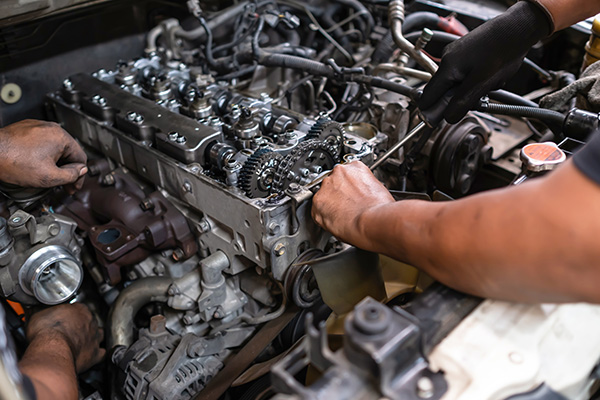
A ticking sound from under the hood can be easy to overlook when the engine still starts, accelerates, and drives normally. You may hear it most clearly while standing next to the car, sitting at a drive-through, or pulling into the garage with the window down. Sometimes the sound disappears as soon as engine speed changes. Useful clues include when the ticking happens, how fast it is, and where it seems to come from. A light, steady clicking from a fuel injector is very different from a sharp mechanical tick that gets louder as the engine warms up. At our shop, we listen to the character of the noise before assuming an internal engine part is failing. Low Engine Oil Can Make the Top of the Engine Noisy Engine oil creates a protective film between moving metal parts and supplies hydraulic components inside many modern engines. If the oil level gets too low, parts in the valvetrain may not receive the lubrication or pressure they need. You might hear ticking from th ... read more
Posted on 7/31/2026

A car can feel completely normal around town and still develop a noticeable shake once it reaches highway speed. At 25 or 35 mph, a small imbalance or slightly worn part may not create enough force to reach the steering wheel or cabin. Once the wheels spin faster, that same problem becomes much easier to feel. The speed where the vibration begins provides an important clue. A shake that appears near 55 mph and becomes stronger at 70 mph often points toward a rotating component such as a tire, wheel, axle, or driveshaft. A vibration that changes with engine RPM, braking, or acceleration may come from a different system. Wheel Imbalance Often Appears Only At Higher Speeds A small difference in weight around a tire and wheel assembly can create a repeated up-and-down or side-to-side force as the wheel rotates. At low speed, that force may be too mild to notice. At highway speed, it can cause the steering wheel, seat, floor, or entire vehicle to shake. Wheel weights ca ... read more
Posted on 6/26/2026
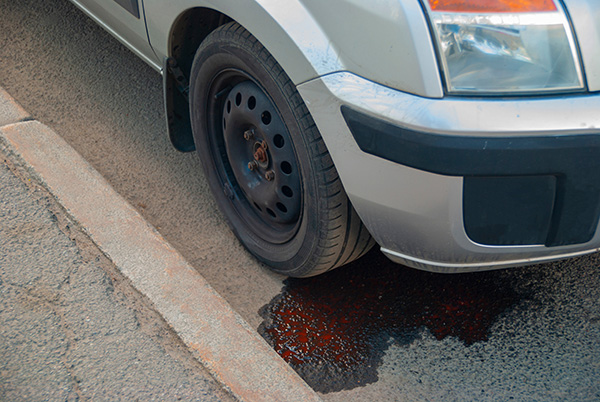
Power steering fluid is one of those things most drivers do not think about very often until the steering starts feeling different. Maybe the wheel gets heavier. Maybe you hear a whining noise when turning. Maybe you notice a leak in the driveway and start wondering whether the fluid is even supposed to look like that. At our shop, we get questions like this all the time, and one of the most common is simple: what color should power steering fluid actually be? The short answer is that healthy power steering fluid is usually clear, light amber, pink, or red depending on the type your vehicle uses. What matters most is that it should look relatively clean, not dark, burnt, or contaminated. If the fluid has turned brown, gray, or almost black, or if it smells burnt, that is usually a sign the fluid is aging, contaminated, or the steering system is under stress. The tricky part is that power steering fluid is not always the same color from one vehicle to another. Some systems use fluid ... read more
Posted on 5/29/2026
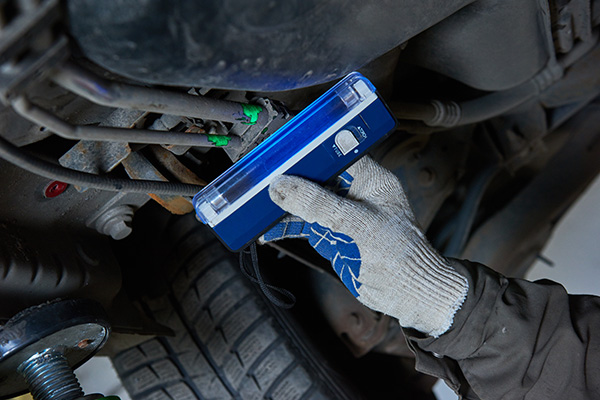
Weak A/C has a sneaky way of lowering your standards. At first, the vents still feel cool enough. Then the cabin takes longer to cool down. A few hot afternoons later, you are driving with the fan on high, wondering why the air feels only slightly better than the outside air. That small change may be the start of a refrigerant leak. AC maintenance is usually simple when the system is still healthy. Once refrigerant starts escaping, the problem can move from routine service to real AC repair, especially if the compressor has been running low for too long. Refrigerant Should Stay Inside The System Your car’s A/C system is sealed. Refrigerant moves through the compressor, condenser, expansion valve, orifice tube, evaporator, hoses, and lines. It changes pressure as it moves, which helps remove heat from the cabin. Refrigerant is not used up like fuel. If the system is low, it may have escaped somewhere, or it was not charged correctly during a previous service ... read more
Posted on 4/30/2026
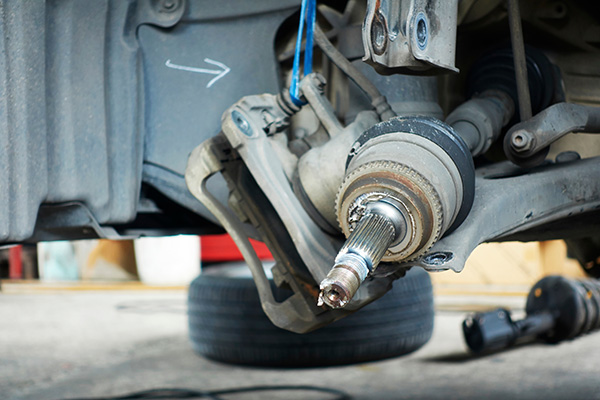
CV axles do not usually fail without warning. In most cases, they give off clear signs that something is starting to wear out. The challenge is that those signs can seem minor at first, making them easy to ignore until the problem worsens. Since CV axles are responsible for transferring power to your wheels while allowing movement, any issue here can affect how your car drives. Paying attention early can help you avoid a breakdown. 1) Clicking Noise When Turning A clicking sound during turns is one of the most recognizable signs. It often shows up when making sharp turns at low speeds, like in a parking lot. That noise usually comes from a worn CV joint that is no longer moving smoothly. As the joint wears, the internal components lose their tight fit and begin to click under pressure. 2) Grease Around the Inside of the Wheel CV joints are protected by rubber boots filled with grease when the boot cracks or tears, grease leaks out and spreads aro ... read more
Posted on 3/27/2026
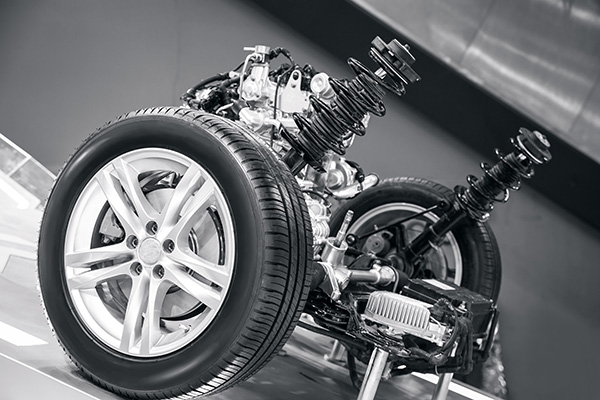
A car that starts feeling bouncy does not change overnight. At first, it may just feel a little softer over dips or a little less settled after a speed bump. Then one day, you realize the car keeps moving after the road has already leveled out. That extra bounce is the suspension telling you it is losing control. Why The Ride Starts Feeling Floaty Your suspension is supposed to absorb bumps, control spring movement, and keep the tires planted on the road. When it is working properly, the car should recover quickly after a dip, pothole, or rough patch of pavement. When it is not, the body keeps rising and falling longer than it should. That is why a bouncy ride feels so different from a firm ride. A firm car may feel tight. A bouncy car feels loose, slow to settle, and less stable than it used to be. Worn Shocks And Struts Are Usually The Main Reason Most of the time, extra bounce comes back to worn shocks or struts. These parts control how quickl ... read more
Posted on 2/27/2026
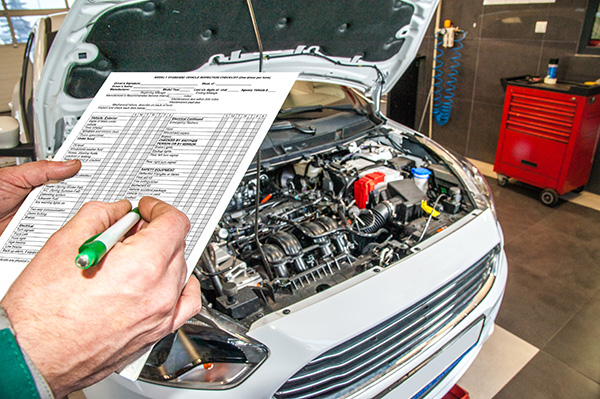
Most drivers don’t neglect their cars intentionally. Life gets busy, the vehicle starts up without any issues, and it’s easy to postpone minor maintenance tasks. However, the problem is that the things you ignore often fail at the most inconvenient times, and repairs typically become costlier once a breakdown occurs. To avoid surprises, here are eight maintenance tasks that help protect your vehicle's expensive systems. 1) Brake Fluid Service Brake fluid absorbs moisture as it ages, and that moisture lowers its boiling point. You may not feel anything during normal driving, but repeated stops or long downhill braking can make the pedal feel softer and less consistent. Moisture also promotes corrosion inside calipers, lines, and ABS components. Changing brake fluid on schedule is a simple way to protect parts you do not want to replace. 2) Coolant ... read more
Posted on 1/30/2026
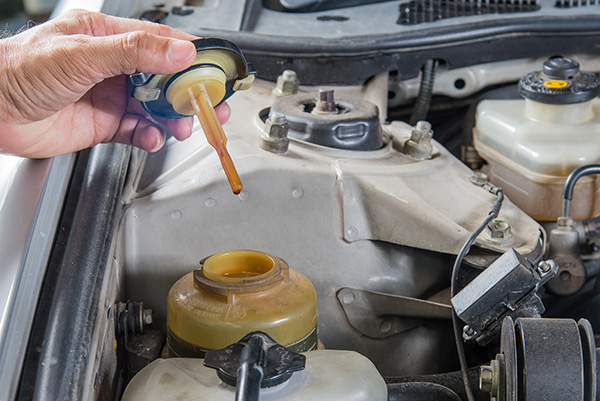
A power steering leak usually starts as a small nuisance. You might notice a faint whining sound when you turn, or the steering feels a little heavier in parking lots. Then one day you see a spot under the front end and realize the fluid has been dropping for a while. The sooner you catch a power steering leak, the easier it is to manage. Letting it go can lead to pump damage, steering assist problems, and a mess that spreads fluid onto belts and suspension parts. The key is knowing what to look for and how to separate a true leak from normal grime. What Power Steering Fluid Does And Why Leaks Matter Power steering fluid is a hydraulic fluid. It helps the pump create pressure so the steering gear can assist your steering input. When the fluid level drops, the pump can pull in air, which creates noise and reduces assist. Low fluid can also increase heat inside the system, and heat is hard on seals and hoses. Some vehicles use traditional power steering fluid, while ... read more