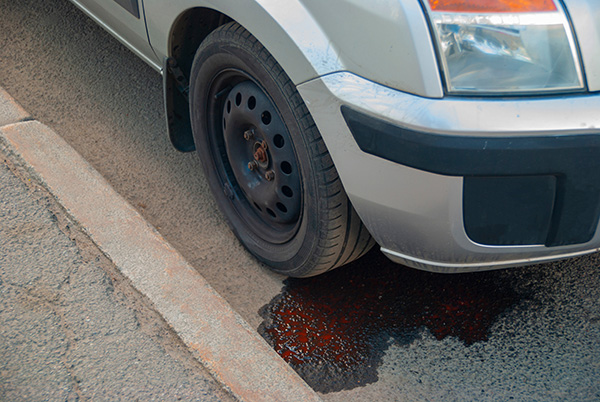
Power steering fluid is one of those things most drivers do not think about very often until the steering starts feeling different. Maybe the wheel gets heavier. Maybe you hear a whining noise when turning. Maybe you notice a leak in the driveway and start wondering whether the fluid is even supposed to look like that.
At our shop, we get questions like this all the time, and one of the most common is simple: what color should power steering fluid actually be?
The short answer is that healthy power steering fluid is usually clear, light amber, pink, or red depending on the type your vehicle uses. What matters most is that it should look relatively clean, not dark, burnt, or contaminated. If the fluid has turned brown, gray, or almost black, or if it smells burnt, that is usually a sign the fluid is aging, contaminated, or the steering system is under stress.
The tricky part is that power steering fluid is not always the same color from one vehicle to another. Some systems use fluid that looks similar to automatic transmission fluid, which is often red or pink. Others use dedicated steering fluid that may be clearer or amber. That is why the better question is not just “what color is it?” but also “does it look clean and normal for this vehicle?”
Why Power Steering Fluid Matters In The First Place
Power steering fluid does more than just sit in a reservoir. In a hydraulic power steering system, it helps transfer pressure so you can turn the steering wheel with less effort. It also lubricates internal parts and helps carry away heat.
That means the fluid has to stay in good enough condition to do several jobs at once. If it gets too dirty, too hot, too low, or contaminated, the steering system can start feeling rougher, noisier, or less responsive.
This is one reason fluid color matters. It is not the only clue, but it can tell you a lot about what is happening inside the system.
The “Normal” Color Depends On The Vehicle
This is the first thing we like to clear up. There is no single universal power steering fluid color for every car on the road. Depending on the manufacturer and fluid type, normal fluid may look:
- Clear to light amber
- Pink or reddish
- Light brown when slightly aged but still not heavily contaminated
Many vehicles use red or pink fluid because the steering system uses a fluid similar to or shared with automatic transmission fluid. Other vehicles use a more amber-colored dedicated power steering fluid.
That is why we always recommend checking the owner’s manual or the fluid specification if you are unsure. The correct fluid type matters just as much as the color.
What Clean Power Steering Fluid Should Look Like
Even if the exact color varies, healthy fluid should still look reasonably clean and transparent. You should be able to tell that it is fluid, not sludge. It should not look cloudy, gritty, milky, or heavily darkened.
From our perspective, good power steering fluid usually has these qualities:
- It is clear enough to see its true color
- It does not smell burnt
- It is free of obvious debris or foam
- It is not dramatically darker than expected for the fluid type
A slight darkening over time is normal. That is very different from fluid that looks cooked or contaminated.
When The Color Starts To Suggest A Problem
The color becomes more important when it changes in a way that suggests the fluid is no longer healthy.
If the power steering fluid looks dark brown or nearly black, that often means it is old, overheated, or contaminated from wear inside the system. If it looks gray or metallic, internal component wear may be part of the picture. If it looks milky, moisture contamination may be involved.
A few fluid appearances that deserve attention are:
- Dark brown or black: often points to old or overheated fluid
- Cloudy or foamy: may suggest air in the system or contamination
- Milky: may indicate moisture contamination
- Sparkly or metallic: may suggest internal wear
This is where fluid color stops being just an interesting detail and starts becoming a warning sign.
Burnt Smell Matters Too
Color alone is not the whole story. Smell tells us a lot too. Healthy power steering fluid should not have a strong burnt odor. If it smells harsh, burnt, or cooked, that is often a sign the fluid has been running too hot or has broken down over time.
That can happen when:
- The fluid is old
- The system is low on fluid
- The pump has been working harder than it should
- There is internal wear or restriction in the system
So if the fluid looks dark and smells burnt, that combination is much more concerning than color alone.
Why Power Steering Fluid Gets Darker
Fluid does not always go bad because of neglect alone. It can darken over time simply because it is doing its job in a hot, high-pressure environment. But several things can speed up that process.
Common reasons power steering fluid gets darker include:
- Heat buildup from normal use
- Age and oxidation
- Internal wear of pump or steering components
- Contamination from old fluid left too long in the system
- Running the system low on fluid
This is why a fluid check is useful as part of overall maintenance. Catching poor fluid condition early can help prevent larger steering issues later.
What Symptoms Often Show Up With Bad Fluid
Sometimes the fluid color is the first thing noticed. Other times, the vehicle gives you clues before anyone checks the reservoir. If power steering fluid is in poor condition, you may also notice changes in how the vehicle feels or sounds.
Common symptoms include:
- Whining or groaning when turning the wheel
- Steering that feels heavier than normal
- Jerky or inconsistent steering assist
- Visible fluid leaks
- Bubbling or foaming fluid in the reservoir
If the steering feel has changed and the fluid also looks dirty, those two things usually belong in the same conversation.
Not Every Modern Vehicle Uses Traditional Power Steering Fluid
This is another important point. Many newer vehicles use electric power steering rather than a hydraulic system. Those systems do not use power steering fluid at all. So if you are checking a newer vehicle and cannot find a power steering reservoir, that may be completely normal.
This topic applies specifically to vehicles with hydraulic or electro-hydraulic steering systems that still rely on fluid.
Why The Right Fluid Type Matters
One mistake we always want drivers to avoid is topping off the system with the wrong fluid just because the color seems close enough. Power steering systems can be picky about fluid type. Using the wrong one can cause poor performance, seal damage, noise, or long-term wear.
That is why we do not recommend guessing based on color alone. Red fluid does not automatically mean any red fluid will work. The correct specification matters.
A Fluid Change Can Help, But Only If The System Is Healthy Enough
If the fluid is dark or degraded, a power steering fluid service may help restore smoother operation and better system protection. But it is also important to make sure the fluid condition is not just a symptom of a bigger issue like pump wear, hose deterioration, or a steering rack problem.
At our shop, we look at the full picture. If the fluid is dirty, we want to know why. Sometimes a simple fluid service is exactly the right answer. Sometimes the fluid is telling us that the system has another problem developing.
Steering Fluid Service at North Hollywood Auto Repair
So, what color should your power steering fluid be? In most vehicles with hydraulic power steering, it should be clear and clean-looking, usually amber, pink, or red depending on the fluid type. What it should not be is dark, burnt, cloudy, metallic-looking, or heavily contaminated.
If your steering feels different, your fluid looks dirty, or you are not sure whether what you are seeing is normal, feel free to stop by North Hollywood Auto Repair in North Hollywood, CA. We can inspect the steering system, check the fluid condition, and help you decide whether it is time for service or if a larger repair needs attention.
Call us today or stop by to schedule an inspection.